Technical Focus
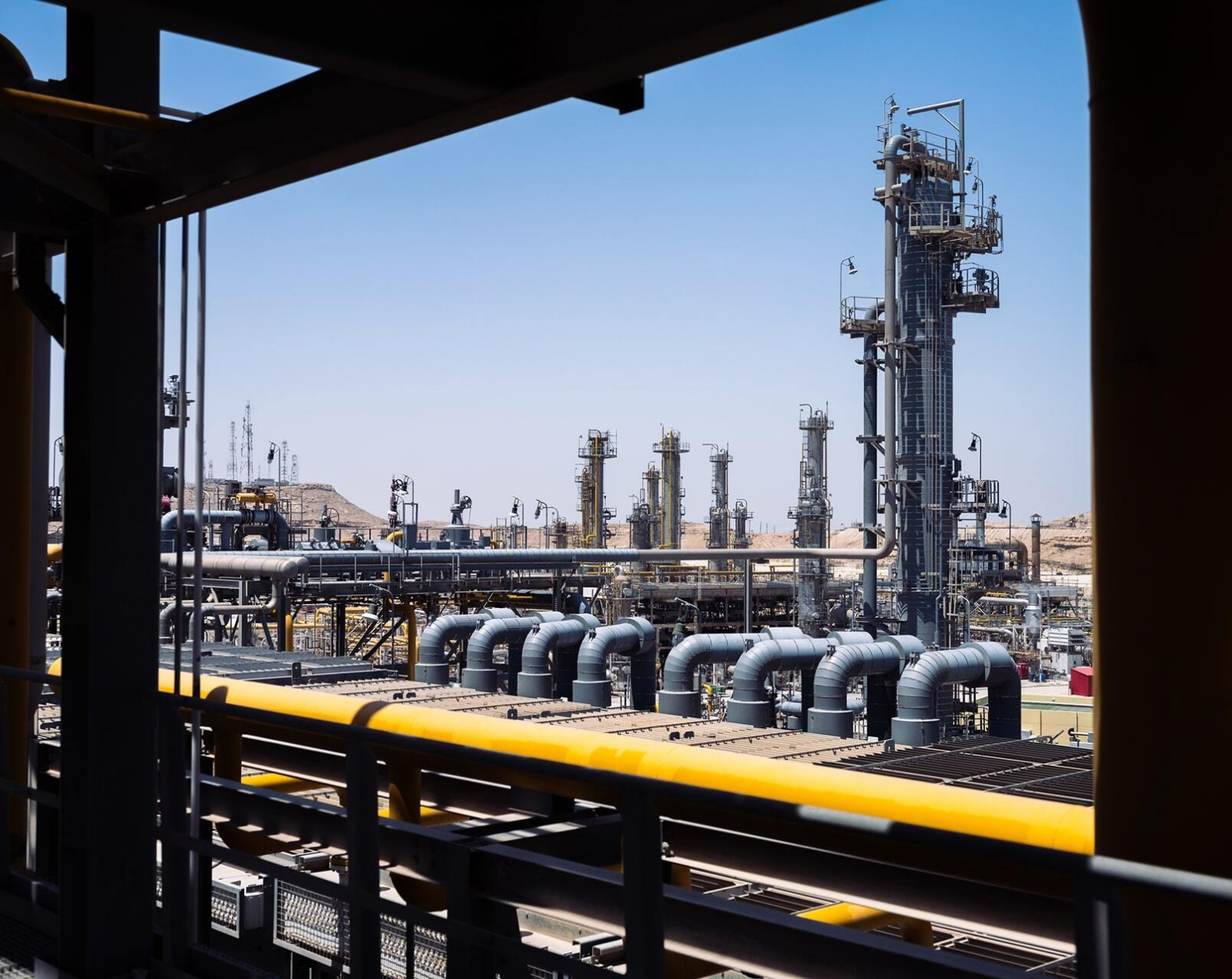
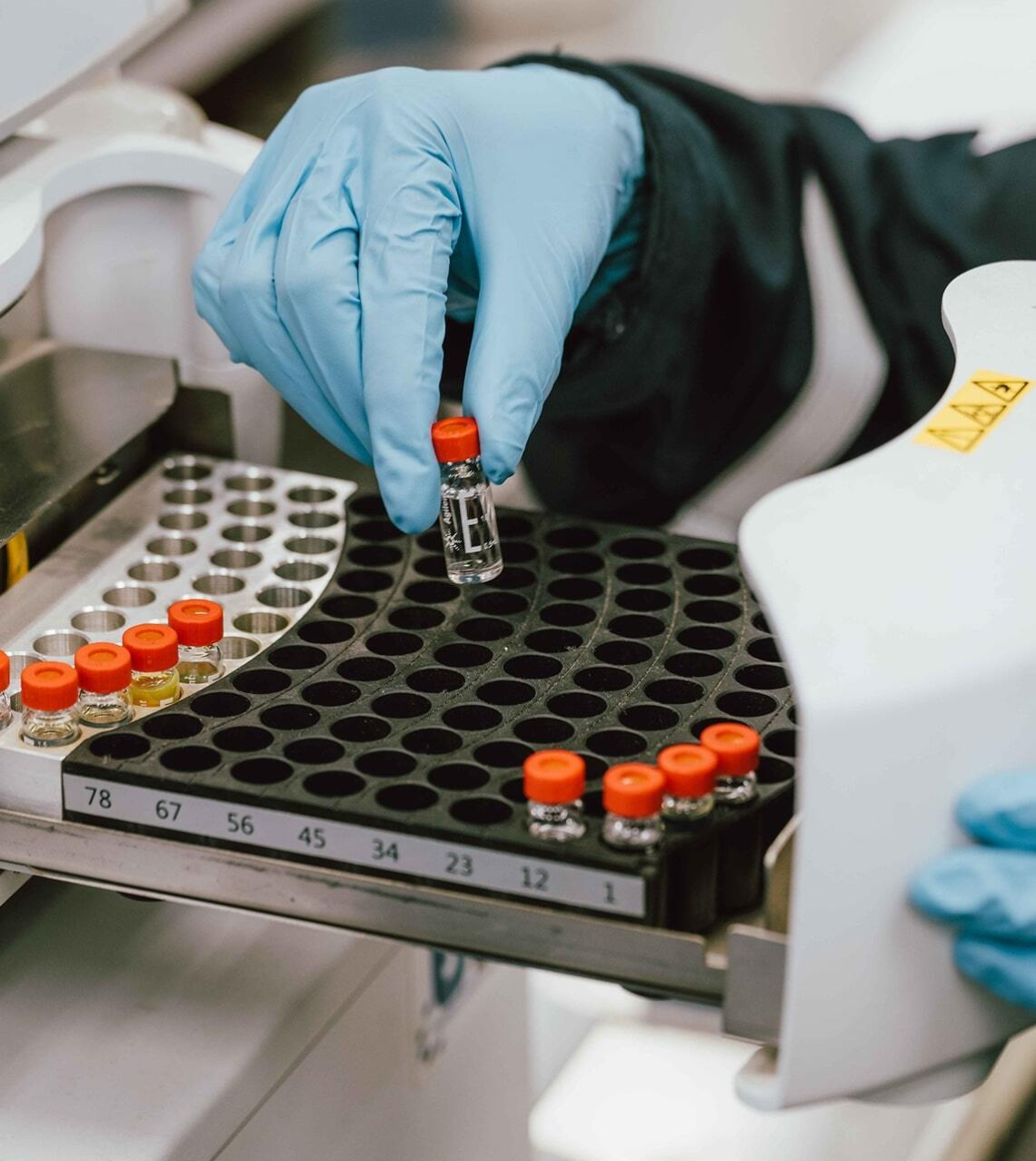
The Bapco Modernization Project (BMP) strengthens Bapco Refining's technical capabilities, ensuring world-class standards in safety, reliability and efficiency.
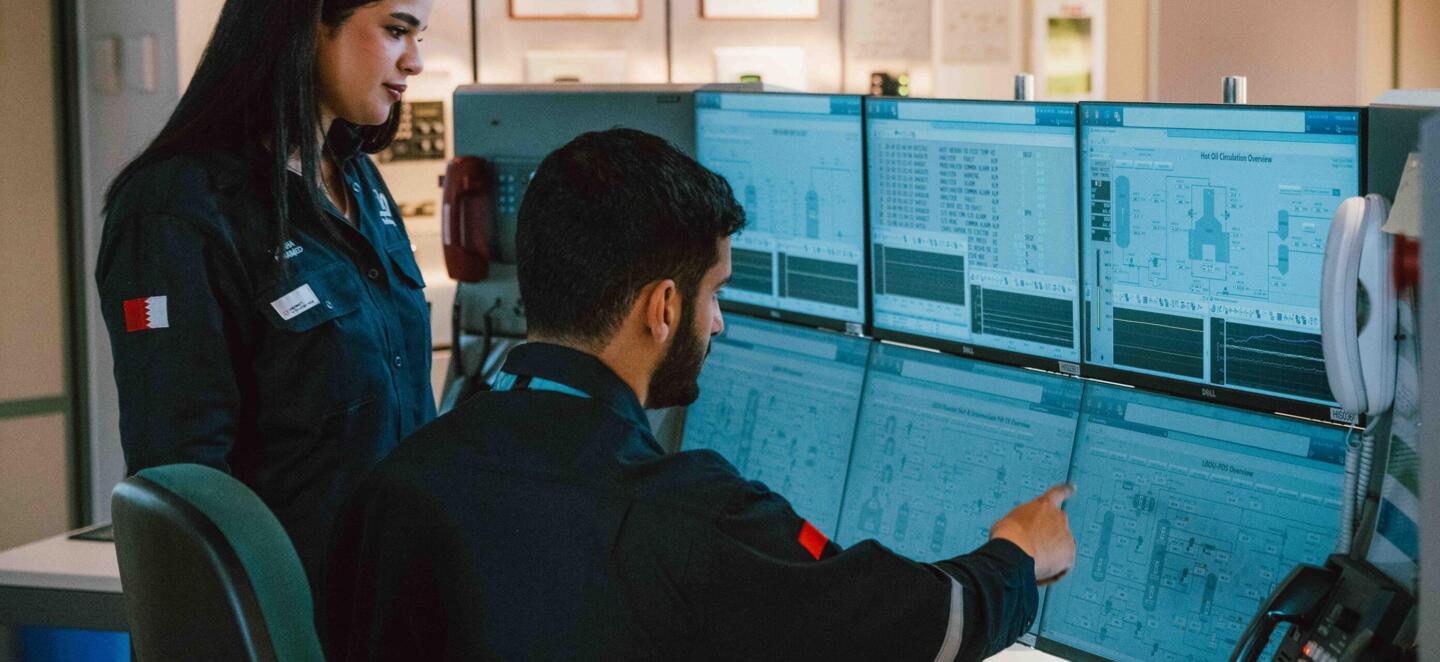
Resid Hydrocracking Unit (1RHCU)
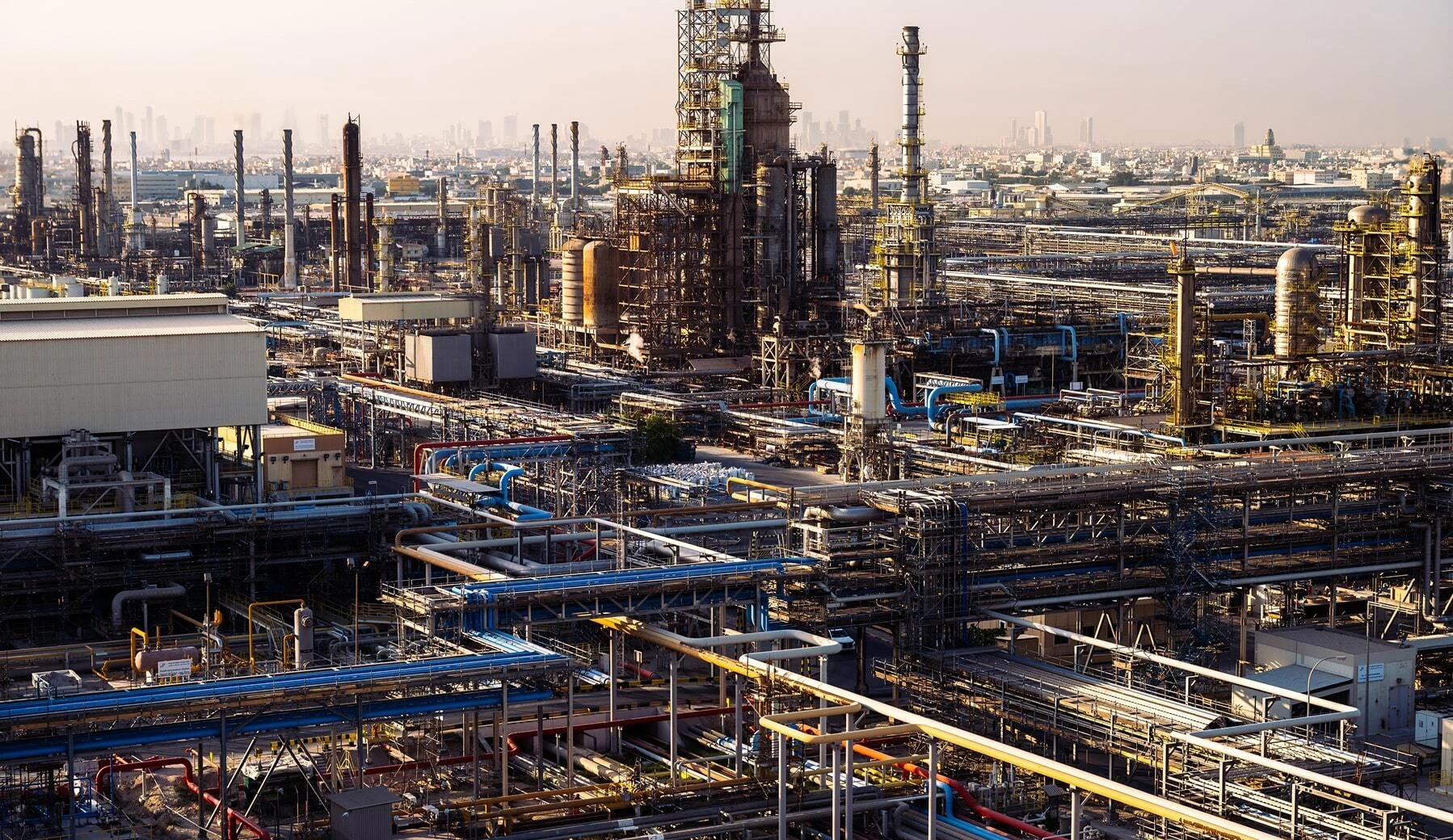
One of the key units to be built as part of the BMP is a Resid Hydrocracking Unit (1RHCU) which is powered by technology licensed from Chevron Lummus Global (CLG). The BMP team is building a twotrain RHCU with a capacity of 65,000 bpd.
Less than a dozen of these units exists globally, and Bapco Refining’s 1RHCU will be among the largest on the planet. The plot size for 1RHCU is expected to be approximately 260m x 260m — that is, equivalent to almost 10 football pitches.
The RHCU will convert 78 per cent of the vacuum resid feed into intermediate products (distillates) which will then be further processed into high margin kerosene and diesel.
New Crude and Vacuum (7CDU/7VDU)
One of the key units to be built as part of the BMP is a Resid Hydrocracking Unit (1RHCU) which is powered by technology licensed from Chevron Lummus Global (CLG). The BMP team is building a twotrain RHCU with a capacity of 65,000 bpd.
Less than a dozen of these units exists globally, and Bapco’s 1RHCU will be among the largest on the planet. The plot size for 1RHCU is expected to be approximately 260m x 260m — that is, equivalent to almost 10 football pitches.
The RHCU will convert 78 per cent of the vacuum resid feed into intermediate products (distillates) which will then be further processed into high margin kerosene and diesel.
Second Hyrdrocracking (2HCU)
No. 2 Hydrocracking Unit (2HCU), is one of the most important conversion units in the Refinery. Its configuration is almost similar to the existing Hydrocracking Unit (1HCU). The new unit has a higher conversion and greater complexity, in particular regarding its advanced waste heat recovery scheme, maximizing energy efficiency.
The unit is a single train with two stages of reaction, having a capacity of 58,000 barrels of Vacuum Gasoil per day, converting 99% of the low value feed into higher margin final products, namely middle distillates (Kerosene, Diesel and Naphtha). It has both the heaviest reactor and the tallest columns in the Refinery.
No. #3 SULPHUR PLANT
The #3 Sulphur Plant is a sulphur recovery, amine and sour water treating facility being built as part of the BMP, and comprise of 11 process units, at half a kilometer length is one of the longest blocks at the BMP site.
The plant’s main purpose is to recover H2S from the BMP Units’ process streams and convert it into liquid sulphur. The liquid sulphur is then converted into solid pellets in a separate unit, with the final product exported abroad Parsons is the technology licensor for the sulphur recovery and tail gas treating plants.
This plant includes several units including Sulphur Recovery Units (SRUs), Tail Gas Treating Units (TGTUs), Bulk Acid Gas Removal Units (BAGRUs), Amine Regeneration Units (ARUs) and Sour Water Stripping Units (SWSs). The new Sulp capacity of 1,535 MT/Day.
Technology and unit configuration is similar to the existing SRUs including a two-stage Claus Process followed by tail gas treatment, giving 99.9% recovery of H2S. However, there are two notable differences:, including air sweep degassing, heat recovery, and steam generation systems.
#3 Sulphur Plant
The #3 Sulphur Plant is a sulphur recovery, amine and sour water treating facility being built as part of the BMP, and comprise of 11 process units, at half a kilometer length is one of the longest blocks at the BMP site.
The plant’s main purpose is to recover H2S from the BMP Units’ process streams and convert it into liquid sulphur. The liquid sulphur is then converted into solid pellets in a separate unit, with the final product exported abroad Parsons is the technology licensor for the sulphur recovery and tail gas treating plants.
This plant includes several units including Sulphur Recovery Units (SRUs), Tail Gas Treating Units (TGTUs), Bulk Acid Gas Removal Units (BAGRUs), Amine Regeneration Units (ARUs) and Sour Water Stripping Units (SWSs). The new Sulp capacity of 1,535 MT/Day.
Technology and unit configuration is similar to the existing SRUs including a two-stage Claus Process followed by tail gas treatment, giving 99.9% recovery of H2S. However, there are two notable differences:, including air sweep degassing, heat recovery, and steam generation systems.